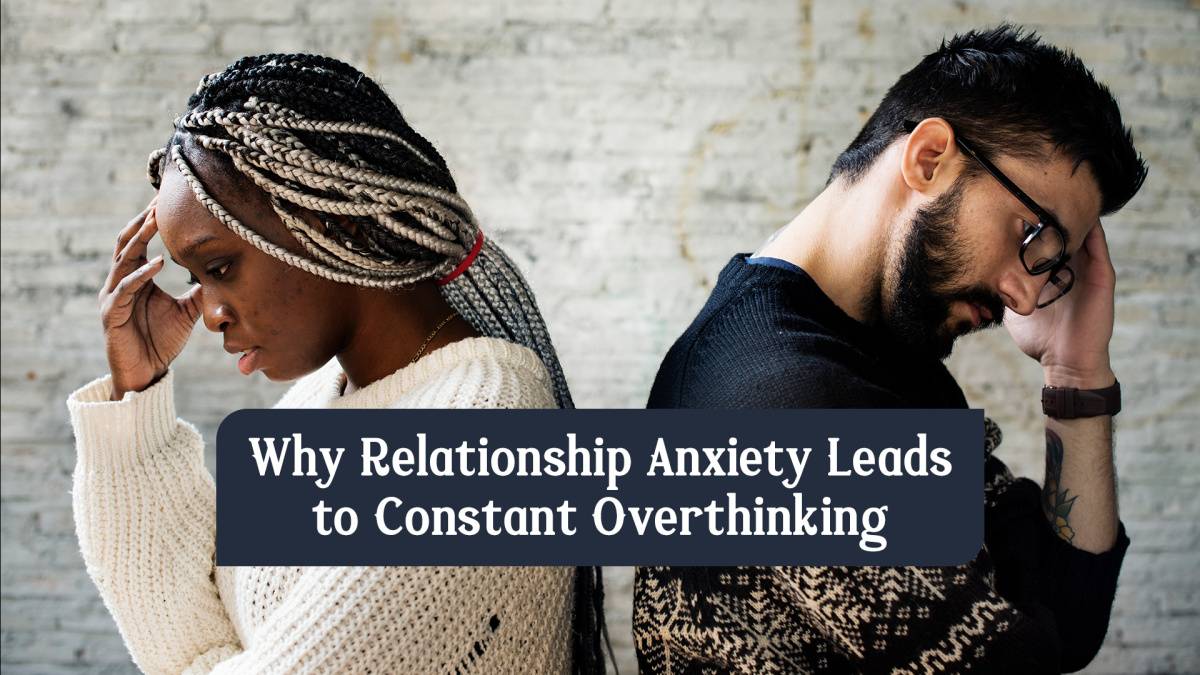
Anxiety in relationships occurs from the constant fear or uncertainty that develops within the connection. It often shows up in the relationship as a pattern of overanalyzing your partner's words, questioning their feelings, and constantly seeking reassurance. Although occasional doubts are common, a persistent and ongoing anxiety can create an emotional stress that affects the relationship's health. Understanding the causes of relationship anxiety can help you take the first step toward breaking the cycle of anxiety, overthinking, and building emotional security.
To better understand how modern dating habits can contribute to emotional confusion and overthinking, read Why Modern Dating Feels More Confusing Than Ever.
Signs of Relationship Anxiety You Should Not Ignore
The common signs of relationship anxiety usually appear in subtle ways in the beginning and become more noticeable as time passes. They usually stem from various emotional factors rather than just relationship problems.
Constant Need for Reassurance: Constantly questioning your partner whether they love you, are upset, or still want to be together. Although reassurance is comforting, needing it excessively can signal underlying anxiety.
Reading into Small Changes: Interpreting every delayed text or shift in the tone as evidence that something is wrong. Simple changes in mood or routine can be misread due to this.
Fear of Abandonment: Worrying that your partner may leave or pull away, even when the relationship is stable. This can lead to clingy behavior or emotional distress over minor reasons.
Overanalyzing Conversations: Repeatedly replaying all the discussions in your mind and searching for hidden meanings or signs of rejection. As a result, even ordinary comments can come across as negative.
Difficulty Trusting Love: Feeling doubtful or unable to wholeheartedly believe your partner‘s love and care, as you assume that it will eventually disappear.
Emotional Highs and Lows: Feeling calm and secure for a moment, only to slip back into anxiety and uncertainty. This creates an unhealthy and exhausting cycle.
Jealousy or Comparison: Feeling threatened by your partner's attention to others or comparing yourself to them, often turning harmless situations into issues.
Need for Constant Contact: Feeling uneasy when communication slows and expecting frequent updates about their day because silence feels threatening.
Common Triggers That Cause Relationship Anxiety
Certain situations can heighten anxious thoughts and emotional reactions. These triggers of relationship anxiety often vary according to each person.

| Trigger | Explanation |
|---|---|
| Delayed Replies | Silence or slower communication may be misread as rejection or loss of interest. |
| Past Betrayal | Previous cheating, lying, or heartbreak can create fear in new relationships. |
| Conflict or Arguments | Even normal disagreements may feel like signs of breakup risk. |
| Emotional Distance | Busy schedules or stress can be mistaken for a lack of love |
| Comparison With Others | Seeing other couples appear “perfect” can create insecurity. |
| Lack of Clarity | Undefined expectations or mixed signals often fuel uncertainty. |
Knowing your personal triggers can help you respond thoughtfully in times of conflict rather than reacting from fear.
Sometimes anxious attachment is tied to deeper relationship patterns, which is why understanding why you keep attracting the same type of partner can offer valuable insight.
The Impact of Overthinking on Trust and Emotional Intimacy
The connection that you are trying to protect can be slowly damaged by overthinking. Instead of enjoying the relationship, this can create tension and repeated misunderstandings.
Trust Erodes: Continued suspicion and questioning might make both partners feel misunderstood, even if they are being honest and committed to each other.
Communication Becomes Tense: Conversations may mostly revolve around worries and conflict rather than genuine connection, making important discussions feel stressful.
Emotional Exhaustion Develops: This repeated cycle of fear and reassurance can become draining for both partners, leaving one feeling overwhelmed, and the other increasingly insecure.
Intimacy Feels Unsafe: As emotional and physical closeness requires vulnerability, anxiety can make affection and honesty harder to maintain.
Small Issues Become Bigger: Minor misunderstandings or changes in mood can be interpreted as major threats, turning normal moments into unnecessary conflicts.
Resentment May Build: If one partner feels constantly criticized and the other feels emotionally unsupported, patience and warmth could be replaced by resentment.
Connection Feels Less Natural: Joy and comfort may fade as the relationship shifts from shared experiences to a constant focus on managing fear and uncertainty.

How Social Media Can Increase Relationship Anxiety
Social media has immense power to intensify relationship anxiety by creating endless opportunities for comparison and assumption. A liked photo or a small change in the online activity can often trigger unnecessary worry and stress.
Many couples tend to compare their real relationship struggles to the curated highlights of other online relationships, creating unrealistic expectations and making a normal relationship seem inadequate. These social media platforms also encourage checking behaviors, such as monitoring each other's activity or reading into the posts.
To reduce anxiety, it is important to set boundaries with social media and keep in mind that online content rarely reflects the raw truth of any relationship.
How to Stop Overthinking and Anxiety Without Pushing Your Partner Away
While anxious relationship thoughts may not disappear overnight, learning how to respond differently to them can create a more secure relationship dynamic.
Pause Before Reacting: Give yourself some time before responding to anxious thoughts to prevent impulsive messages and unnecessary conflicts.
Communicate Clearly: Share your true feelings with your partner instead of accusing or blaming them. Speaking out is more effective than reacting out of relationship fears.
Create Emotional Boundaries: Your partner can only offer love and support, not heal your relationship insecurity and fear. Emotional responsibility is crucial for a healthy connection.
Practice Mindfulness and Emotional Regulation: Grounding techniques such as journaling and meditation can calm anxious thoughts, helping you feel emotionally balanced.
Consider Professional Help: Seeking therapy through professional help can be of great help in addressing anxiety patterns and low self-esteem, while uncovering their deeper roots.
Be Patient With Progress: Healing the anxious relationship patterns can take time. Growth happens through consistent habits rather than one single breakthrough.

Take a look at emotional boundaries vs emotional walls for a deeper understanding of protective patterns in relationships to create a healthier connection without withdrawing emotionally.
Relationship anxiety can make true connections feel uncertain, even if there is genuine care and commitment. It leads to overthinking small situations and questioning your partner over issues that may not actually exist. Gradually, this can create unnecessary stress and emotional distance. The good news is that this vicious cycle can be changed through self-awareness and healthier communication. When you stop feeding the fear and start responding with clarity, your partner feels calmer, steadier, and far more genuine. Just remember that strong relationships are built on trust, honesty, and patience.
Relationship anxiety often makes people focus on what might go wrong, which is why learning the signs of a healthy relationship that most couples miss can bring more clarity and reassurance.


